Tag: cancer

  • Penn Medicine Reports 30% Drop in Breast Cancer Risk with Ozempic and Wegovy

    Penn Medicine Reports 30% Drop in Breast Cancer Risk with Ozempic and Wegovy

    A landmark study published June 2, 2026, in JCO Oncology Practice and simultaneously presented at the 2026 American Society of Clinical Oncology Annual Meeting by researchers at the University of Pennsylvania Perelman School of Medicine has produced findings that could reshape how America’s medical community thinks about GLP-1 receptor agonist drugs and how millions of women with obesity approach their own cancer risk.

    The study, led by Dr. Elizabeth McDonald, a professor of radiology at Penn and practicing breast radiologist at Penn’s Abramson Cancer Center, found that women using GLP-1 medications were approximately 30% less likely to develop breast cancer than women who were not taking these drugs. The finding comes from an analysis of 111,646 women, the largest study of its kind, and the protective effect held even after rigorous statistical matching to control for confounding factors.

    The scale and rigor of the Penn Medicine study are what elevate it above prior observational work in this area. Researchers used electronic health records from the University of Pennsylvania Health System, which includes both academic and community medical sites across Pennsylvania and New Jersey, to identify women aged 45 to 80 with a BMI of 25 or above who had undergone breast imaging between January 2022 and June 2025.

    Of the 111,646 women in the full cohort, 15,264 (13.7%) had documented GLP-1 medication prescriptions, and 96,382 (86.3%) had no documented GLP-1 exposure. The researchers examined cancer incidence in both the full cohort and a matched cohort of 30,528 women, pairing each GLP-1 user one-to-one with a control patient matched on age, race, ethnicity, BMI, breast density, and diabetes status.

    The result: 35.1% lower odds of breast cancer in the full analysis; 30.5% lower odds in the rigorously matched cohort.

    Why the 30% Reduction Is Scientifically Credible

    The breast cancer finding is consistent with what GLP-1 drugs do biologically. GLP-1 receptor agonists, the drug class that includes Ozempic (semaglutide), Wegovy (semaglutide), Mounjaro (tirzepatide), and Zepbound (tirzepatide), produce significant weight loss and improve key metabolic measures such as insulin sensitivity, inflammation levels, and sex hormone balance. Each of these changes is independently linked to lower breast cancer risk through well-established biological pathways.

    Body fat is not just storage tissue; it is hormonally active. It converts androgens into estrogens through a process called aromatization. In postmenopausal women who are overweight or obese, fat tissue becomes the main source of circulating estrogen. Most breast cancers, about 70 to 75 percent, are estrogen receptor-positive, meaning they grow in response to estrogen. When weight is reduced, fat tissue decreases, aromatization declines, estrogen levels drop, and the growth stimulus for these cancers is reduced. This mechanism is widely accepted and helps explain why obesity increases breast cancer risk and why weight loss lowers it.

    GLP-1 drugs also reduce chronic low-grade inflammation, measured through markers such as CRP, which can contribute to a tumor-friendly environment. In addition, they improve insulin resistance, lowering levels of insulin and IGF-1, both of which have been shown to directly promote breast cancer cell growth.

    “While our study was observational and does not definitively confirm an association,” Dr. McDonald said, “it does add to the growing body of evidence suggesting that it’s worth investigating these weight-loss drugs as potential cancer prevention tools.”

    The Philadelphia Context: Penn Medicine, Penn’s Abramson Center, and What This Means Locally

    The Penn Medicine research carries particular significance in Philadelphia, where the study was conducted. The Penn Abramson Cancer Center, consistently ranked among the top cancer hospitals in the United States, is home to a major breast imaging and breast oncology program. The health system spans Pennsylvania and New Jersey, and the electronic health records used in the study reflect a real-world patient population in the greater Philadelphia region, including a wide range of body weight profiles, cancer risk factors, and GLP-1 prescribing patterns.

    Philadelphia County has a breast cancer incidence rate above the national average, driven in part by higher obesity rates among women, especially in lower-income areas of North, West, and South Philadelphia. If GLP-1 drugs reduce breast cancer risk by 30% in overweight and obese women, the same group that accounts for much of the county’s burden, the public health impact could be significant. Access becomes the key issue. The women most likely to benefit are also those most likely to face insurance and cost barriers to GLP-1 treatment.

    What Women Should Discuss with Their Doctors Now

    The Penn Medicine study is observational — it does not prove causality and does not constitute a clinical recommendation to prescribe GLP-1 drugs for breast cancer prevention. Breast cancer prevention currently relies on lifestyle modification, screening adherence, chemoprevention with tamoxifen or aromatase inhibitors for high-risk individuals, and prophylactic surgical options for those with BRCA mutations.

    What the study does justify is a conversation: women aged 45 to 80 who are overweight or obese, who are considering GLP-1 therapy for obesity or diabetes management, should ask their provider whether the breast cancer risk data adds weight to the clinical rationale for their treatment. For women who are already on GLP-1 medications, this study provides additional scientific support for the value of continued treatment. For oncologists, this data adds a new dimension to the patient conversation about weight management as cancer prevention — one with a specific drug class and a quantified risk reduction.

    Source link

  • How Big Is the Cancer Risk from Processed Meat?

    How Big Is the Cancer Risk from Processed Meat?

    I quantify the risks of colon and rectal cancers from eating bacon, ham, hot dogs, sausage, and lunch meat.

    In 2018, arguably the most prestigious cancer research institution in the world, the International Agency for Research on Cancer (IARC), part of the World Health Organization, published its report on processed meat, concluding that foods like bacon, ham, hot dogs, lunch meat, and sausage are cancer-causing, classifying processed meat as a Group 1 carcinogen. “These findings,” concluded the director of the agency, “further support current public health recommendations to limit intake of meat.” Critics questioned putting processed meat in the same carcinogenic classification as asbestos and tobacco. Or, as a pesticide company roughly put it, how can eating processed meat be in the same category as mustard gas?

    As I discuss in my video How Much Cancer Does Processed Meat Cause?, the classifications only relate to the strength of evidence that the agent causes cancer or not, not how much cancer. This doesn’t mean they all pose the same level of danger. It’s safer to eat a sandwich filled with pastrami than plutonium, even though they are both Group 1 carcinogens, which means both substances are known to cause cancer in people. So, just how dangerous is meat? The relative risk of colorectal cancer was 18% for every 50 grams eaten a day. But what exactly does that mean?

    Well, 50 grams is about one hot dog, or two breakfast links, or two slices of Canadian bacon or ham. So, a daily sandwich with one or two slices of baloney would increase your colorectal cancer risk by 18%. But a half-pound of pastrami on rye would bump it up more like 80%. Okay, but what does the 18% increased risk really mean? One way to look at it is absolute risk versus relative risk. Assuming that the lifetime risk of colorectal cancer is about 5% (1 in 20), increasing your risk by about 20% would only bump up your absolute risk of getting colorectal cancer from 5% to 6%. Now, on a population scale, an 18% drop in risk could mean about 25,000 fewer cases of colorectal cancer every year in the United States, 25,000 fewer families a year dealing with that diagnosis, if we swapped out the daily baloney sandwich for hummus or if we chose veggie dogs instead. So, it all depends on how you look at it.

    Colorectal cancer is the United States’ second leading cause of cancer death for men and women combined, after lung cancer. So, if you don’t smoke, colon and rectal cancer may be your greatest cancer nemesis. But we can drop the risk of getting it by about a fifth with a single dietary tweak: cutting a serving of processed meat out of our daily diet.

    How does 18% increased cancer risk compare to other risky behaviors? In my testimony before the Dietary Guidelines Scientific Committee, I made what may sound like a hyperbolic metaphor. I asked, “We try not to smoke around our kids, why would we send them to school with a baloney sandwich?” That is not hyperbole. According to the Surgeon General, living with a smoker increases our risk of lung cancer by 15%. So, breathing second-hand smoke day in and day out increases our risk of lung cancer almost as much as eating a serving of processed meat day in and day out increases our risk of colorectal cancer.

    The meat industry responded by saying that we must consider the risks together with the benefits before we tell people what to eat or breathe. Think about all the baloney benefits—lunch meat isn’t just about cancer, but convenience.

    Indeed, processed meat isn’t just about cancer. An article railing against the World Health Organization’s “meat terrorism” cited the Global Burden of Disease studies comparing how many cancer deaths are caused by processed meat consumption compared to tobacco or alcohol use. But if you look at the study they’re referencing, the roughly 37,000 deaths attributable to higher processed meat intake are just the colorectal cancer deaths and don’t also include the 100,000 deaths from diabetes or the 400,000 deaths from heart disease. So, in actuality, we may be talking about half a million deaths attributable to processed meat, as you can see below and at 4:06 in my video.

    And it’s not just colon and rectal cancer. If you look at the science since the IARC decision was published, processed meat may also increase the risk of prostate cancer, breast cancer, and pancreatic cancer.

    Unfortunately, research shows that “despite growing public health concerns about processed meat consumption, there have been no changes in the amount of processed meat consumed by US adults over the last 18 years.” Of course, it would have helped if the last Dietary Guidelines for Americans had happened to mention that processed meat was a carcinogen. Publishing “an explicit and science-based statement on processed meat” in the next Dietary Guidelines would certainly help. But the scientific committee made no such recommendation.

    Sadly, even those with colorectal cancer “hardly improve their overall lifestyle after diagnosis,” though that may be because “70% of cancer patients have never received nutrition advice from their [medical] providers during or after treatment.” That just blows me away.

    An article published in a scientific cancer-research journal stated that “despite the continued obfuscation of the issue by the meat industry—they learned well from the tobacco merchants—meat should continue to be a focus of public health action.” New York City is leading the way, passing legislation to ban processed meats from school meals. Not giving our kids carcinogens? What a concept!

    Meanwhile, the processed meat industry is trying to reformulate its products. It’s kind of like in the pharmaceutical area, where you try to mitigate the potential adverse effects of one drug by prescribing an additional drug. For example, fiber could be added to hot dogs to try to counterbalance the risk, potentially reducing the cancer load by changing how it’s processed instead of by banning processed meat altogether.

    Doctor’s Note

    If you missed the previous video, see IARC: Processed Meat Like Bacon Causes Cancer.

    For my full testimony on the U.S. Dietary Guidelines, check out Highlights from the 2020 Dietary Guidelines Hearing.


    Source link

  • “Transformative Advance” in Cancer Treatment Emerges in Dallas — New Pill Shows Rare Survival Jump in Pancreatic Cancer Patients

    “Transformative Advance” in Cancer Treatment Emerges in Dallas — New Pill Shows Rare Survival Jump in Pancreatic Cancer Patients

    For decades, a pancreatic cancer diagnosis was among the most devastating words a patient could hear from their physician. The five-year survival rate for metastatic pancreatic cancer — cancer that has spread to other organs by the time it is caught — has historically hovered around 3%. Standard second-line chemotherapy for patients whose cancer had stopped responding to first-line treatment offered a median overall survival of just 6.7 months. These were not numbers that inspired hope. They were numbers that ended conversations about the future and began conversations about end-of-life planning.

    That calculus may be changing. In one of the most significant oncology results of the decade, Revolution Medicines presented Phase 3 trial data for daraxonrasib on May 31, 2026 at the American Society of Clinical Oncology annual meeting in Chicago — the most important cancer research gathering in the world. The results were extraordinary: compared to standard chemotherapy, daraxonrasib nearly doubled overall survival for metastatic pancreatic cancer patients who had already received prior treatment, extending median overall survival from 6.7 months to 13.2 months. It reduced the risk of death by 60%. One-third of patients on the drug achieved at least a 20% reduction in tumor size. For a cancer that has been called “undruggable,” this is a scientific watershed.

    The Molecular Breakthrough: Targeting KRAS for the First Time

    Understanding why daraxonrasib is historically significant requires a brief excursion into cancer genetics. The KRAS gene — Kirsten rat sarcoma viral proto-oncogene — is mutated in approximately 92% of pancreatic cancer cases, making it the most consistently mutated driver gene in this disease. For over four decades, KRAS was classified as literally undruggable: the protein it produces lacks the obvious binding pockets that most targeted therapies need to attach to and inhibit. Multiple generations of pharmaceutical researchers attempted to develop KRAS inhibitors and failed.

    Daraxonrasib belongs to a new class of drugs called pan-RAS inhibitors — molecules engineered to target the RAS protein family in an entirely new way, blocking its activity regardless of which specific RAS mutation is present. The RASolute 302 Phase 3 trial enrolled 500 participants with solid tumors harboring activating RAS mutations, with 300 mg selected as the Phase 3 dose after dose-escalation established the therapeutic window. The drug is administered orally once daily — an important practical advantage over intravenous chemotherapy that requires hospital infusion visits.

    Why This Matters Especially for Dallas and Texas

    The Dallas–Fort Worth metroplex is home to one of the most formidable oncology ecosystems in the United States. UT Southwestern Medical Center’s Harold C. Simmons Comprehensive Cancer Center, Baylor Scott & White Health, Texas Health Resources, and the UT Health San Antonio MD Anderson Cancer Center Network collectively serve the cancer care needs of tens of millions of Texans. Texas Cancer Registry data show pancreatic cancer among the leading causes of cancer death in the state for both men and women. In Tarrant and Dallas counties combined, hundreds of new pancreatic cancer diagnoses are made each year — the majority of them late-stage, given that pancreatic cancer is notoriously asymptomatic until it has already advanced.

    “This achievement exemplifies the strength of UT Southwestern as a premier institution for interdisciplinary patient care, discovery-driven research, and the development of breakthrough therapies,” said Dr. J. William Harbour, Chair of Ophthalmology at UT Southwestern, reflecting the institution’s broader commitment to breakthrough oncology. UT Southwestern’s Simmons Cancer Center is already offering novel whole-liver chemotherapy delivery for rare eye cancers — the first program in Texas and the surrounding region to do so — illustrating how Dallas’s premier academic medical center is positioned to rapidly adopt next-generation treatments as they receive regulatory approval.

    The ACS Cancer Statistics 2026: The Bigger Picture of Progress

    Daraxonrasib arrives at a moment of genuine, documented progress in cancer outcomes across the board. The American Cancer Society’s Cancer Statistics 2026 report records that the five-year relative survival rate for all cancers combined has reached a historic milestone of 70% during the 2015–2021 period — up from 49% in the mid-1970s. Since the cancer death rate’s peak in 1991, it has declined by 34%, with approximately 4.8 million cancer deaths prevented as of 2023. Prostate cancer death rates have decreased 53% since 1993. Colorectal cancer mortality is down 55% from its 1980 peak. Breast cancer death rates dropped 44% between 1989 and 2023. Metastatic melanoma five-year survival has more than doubled.

    For distant-stage cancers — the most advanced, metastatic presentations — the relative survival rate has doubled from 17% in the mid-1970s to 34% in the most recent data period. Dr. Marc Siegel, Fox News senior medical analyst, attributed the improvement to “more awareness of cancer risks and symptoms, much better screening, earlier diagnosis leading to earlier treatments,” and specifically to advances in targeted therapy and immunotherapy. Daraxonrasib, if it receives FDA approval following the Phase 3 data, would represent precisely this kind of targeted advance — a drug designed for a specific molecular driver that is present in a specific tumor type, delivering outcomes that chemotherapy’s blunt-force approach never could.

    The One Critical Warning: Funding Threats to Future Progress

    The ACS 2026 report is explicit about a threat that must be named alongside the good news: “continued progress is threatened by proposed federal cuts to cancer research and health insurance.” The breakthroughs driving today’s improved survival rates — daraxonrasib, immune checkpoint inhibitors, CAR-T therapies, cancer vaccines — are the downstream product of decades of federal investment in basic science through the National Institutes of Health and the National Cancer Institute. Cutting that foundational research funding now, as multiple federal budget proposals have contemplated, would not produce savings — it would produce future deaths, from cancers that a funded scientific community would have learned to cure.

    For Dallas-area patients with pancreatic cancer, the immediate clinical question is access. Daraxonrasib is not yet FDA-approved — Revolution Medicines is expected to file for approval based on the Phase 3 data in the second half of 2026. Patients with pancreatic cancer harboring RAS mutations who have already received first-line chemotherapy should discuss clinical trial eligibility with their oncologist at UT Southwestern, Baylor Scott & White, or Texas Health Resources. Revolution Medicines’ clinical trial locator identifies open enrollment sites for ongoing RAS-inhibitor trials. This is the most important oncology news in pancreatic cancer in decades. Dallas’s world-class cancer infrastructure puts its patients in the best possible position to access it.

    RELATED ARTICLES ON MEDICALDAILY.COM

    Source link

  • New Cancer Treatments Show Promise Against Some of the Deadliest Tumors, Researchers Report

    New Cancer Treatments Show Promise Against Some of the Deadliest Tumors, Researchers Report

    Recent advances in cancer research are offering new hope for patients with some of the most difficult-to-treat forms of the disease, with scientists reporting encouraging results from experimental therapies targeting pancreatic, lung, and head and neck cancers.

    The developments were highlighted during presentations at major oncology meetings and reported by The Guardian on June 1, as researchers unveiled data suggesting that several next-generation treatments may improve outcomes for patients who have exhausted standard options. The Guardian report

    One of the most closely watched breakthroughs involves daraxonrasib, an experimental pill designed to target RAS-driven cancers. According to reports from oncology researchers cited by The Guardian, the drug nearly doubled median survival among patients with advanced pancreatic cancer in a recent clinical trial. Pancreatic cancer remains one of the deadliest malignancies worldwide, with survival rates lagging behind many other major cancer types. (The Guardian)

    Researchers also reported progress in head and neck cancer treatment using amivantamab, a targeted therapy that has demonstrated tumor reduction in patients whose disease continued to progress despite chemotherapy and immunotherapy. Trial findings showed that a significant number of participants experienced measurable responses to the treatment, raising hopes for a patient population with limited therapeutic options. (The Guardian)

    Separately, investigators presented early clinical trial data for GRWD5769, an experimental immunotherapy-enhancing drug developed to help the immune system recognize cancer cells more effectively. In a Phase 1 study involving patients with advanced cancers, tumors shrank in multiple participants, including those with lung, bowel, bladder, liver, cervical, and head and neck cancers. Researchers said the therapy works by disrupting a mechanism that allows cancer cells to evade immune detection. (The Guardian)

    The findings come amid growing concern over the global cancer burden. According to figures cited by The Guardian, cancer causes nearly 10 million deaths each year worldwide, while approximately 100,000 new diagnoses are made daily. Experts have also raised concerns about increasing cancer incidence among younger adults, a trend that continues to be investigated. (The Guardian)

    Despite the positive developments, researchers cautioned that many of the treatments remain experimental and require additional testing before broader adoption. Larger clinical trials will be needed to confirm long-term benefits, assess safety, and determine which patients are most likely to respond.

    Still, oncology experts say the recent results underscore a broader shift toward precision medicine, where therapies are increasingly designed to target specific genetic and biological characteristics of tumors rather than relying solely on conventional treatment approaches. (The Guardian)

    Source: The Guardian reported on June 1 that emerging cancer therapies, including daraxonrasib for pancreatic cancer, amivantamab for head and neck cancer, and the investigational drug GRWD5769, are showing promising results in clinical studies, fueling optimism among cancer researchers despite ongoing challenges in treatment and diagnosis. (The Guardian)

    Related Links:

    Source link

  • The Backlash to IARC’s Report that Meat Probably Causes Cancer

    The Backlash to IARC’s Report that Meat Probably Causes Cancer

    How did the meat industry, government, and cancer organizations respond to the confirmation that processed meat, like bacon, ham, hot dogs, and lunch meat, causes cancer?

    “It is rare, in the history of nations, that one finds good reasons to render homage to the generosity and altruism of governments and those in power: the birth of the International Agency for Research on Cancer [IARC] presents one of those rare occasions.” It all started with a single letter from a grieving husband, relating his wife’s suffering after being diagnosed with cancer, cascading into an open letter calling for governments to devote half of 1% of their military budgets to fight for life by attacking one of the greatest plagues that weighs on humanity. And 18 months later, the IARC was born in the World Health Organization. What was its overarching motive? Cancer prevention.

    As I discuss in my video, IARC: Processed Meat Like Bacon Causes Cancer, the IARC is best known for its monographs, book-sized reports evaluating whether or not some suspected carcinogen does in fact cause cancer. They are “generally accepted as close to a final word” as there is on whether or not something is carcinogenic. And its 114th monograph, published in 2018, focused on meat. After considering more than 800 different studies and thoroughly reviewing the scientific literature, a group of 22 experts from 10 countries concluded its 500-page report by saying, “Consumption of red meat is probably carcinogenic to humans (Group 2A).” But processed meat was placed as a Group 1 carcinogen, the highest level of certainty, meaning that according to the best available evidence, the consumption of processed meat causes cancer.

    So, that means foods like bacon cause cancer. Ham, hot dogs, breakfast links, and lunch meat cause cancer. But its definition also includes, for example, turkey deli slices. Specifically, eating processed meat causes colorectal cancer, cancers of the colon or rectum, which is the second most deadly cancer worldwide, after lung cancer, which is caused largely by smoking. “Colorectal cancer is the second leading cause of cancer death in the U.S.,” as well, and it doesn’t just strike older people. It is also a leading cause of cancer and death from cancer earlier in life.

    The meat industry wasn’t happy, calling it a “dramatic and alarmist overreach.” Speaking of dramatic and alarmist overreach, one agricultural group in Italy sent out a press release: Just say no to terrorism on meat.

    The gloves were off. The meat industry in Canada tried to pressure the government to cut off funds to the IARC, asking the Health Minister to pull all funding from the agency after it dared to question meat. The U.S. meat industry did the same thing. It’s no surprise that the IARC is “under siege by corporate interests” trying to challenge their cancer evaluations on Monsanto’s Roundup pesticide and meat, discredit the agency, and undermine financial backing. For example, internal documents have revealed Monsanto scientists “casually discussing ‘ghost-writing’ scientific papers and suppressing science that conflicts with corporate assertions of Roundup’s safety.”

    The chemical industry has joined the corporate cacophony, calling the IARC monographs “dubious and misleading.” These are classic strategies straight out of the tobacco industry playbook. “But there is little to suggest that, as a corporate actor, ‘Big Tobacco’ differs fundamentally from, eg, ‘Big Booze’ or ‘Big Food.’”

    One recurring corporate talking point is that the IARC never met a carcinogen it didn’t like. But the vast majority end up being categorized as just possibly carcinogenic to humans, or there really aren’t sufficient data to make a determination either way, as you can see below and at 4:20 in my video.

    The agency only spends time looking at substances for which there is already “an existing body of scientific literature indicating a degree of carcinogenic hazard to humans.” So, no wonder many of them end up, indeed, carcinogenic.

    How did the IARC respond to all the criticism? The World Health Organization received questions, concerns, and clarification requests after the publication of its meat and cancer report. It basically replied: Hey, we never told anyone to stop eating processed meat—your body, your choice. The report just indicated that consuming less of these products can reduce the risk of a leading cancer killer. So, you like cancer? You do you.

    The IARC is just a research organization that evaluates evidence on what causes cancer; after that, what you do with that information is up to you. The American Cancer Society was nice and clear when it came to alcohol. When it comes to cancer, “it is best not to drink alcohol.” But the organization got a bit wishy-washy with processed meat, suggesting people can get away with just limiting their intake. The European Commission was a little clearer. To reduce our risk of cancer, we should eat lots of whole grains, pulses (which are beans, split peas, chickpeas, and lentils), fruits, and vegetables; limit sugary, fatty, salty foods; and straight-up avoid soda, sausage, and other processed meats. After all, in answering the question of how much meat is safe to eat, the IARC replied that it’s unknown whether a safe level exists, period.

    Doctor’s Note

    So, How Much Cancer Does Processed Meat Cause? That video is coming up next.

    And, it’s not just cancer. For example, see The Effects of Processed Meat on Lung Function.

    I previously covered Monsanto and its Roundup pesticide (now owned by Bayer), see related posts below.


    Source link

  • FDA Approves New Immunotherapy Combination for High-Risk Early-Stage Bladder Cancer

    FDA Approves New Immunotherapy Combination for High-Risk Early-Stage Bladder Cancer

    The U.S. Food and Drug Administration (FDA) has approved a new treatment option for patients with high-risk non–muscle invasive bladder cancer (NMIBC), authorizing the use of durvalumab (Imfinzi) in combination with Bacillus Calmette-Guérin (BCG) on May 28, 2026. The decision represents an expansion of immunotherapy-based treatment strategies for a disease known for its high recurrence rate and long-term management needs.

    NMIBC is the most common form of bladder cancer and is characterized by tumors confined to the bladder’s inner lining without invading the muscle layer. Although generally less aggressive than muscle-invasive disease, it frequently recurs after treatment and, in some cases, can progress, requiring ongoing surveillance and repeated intervention.

    The approval is supported by data from the Phase 3 POTOMAC trial (NCT03528694), a randomized, multicenter study evaluating durvalumab plus BCG versus BCG alone in patients with high-risk NMIBC who had undergone transurethral resection of bladder tumor (TURBT).

    The trial enrolled more than 1,000 patients and followed participants after TURBT, with the primary endpoint defined as investigator-assessed disease-free survival (DFS), measuring recurrence, progression to muscle-invasive or metastatic disease, or death.

    Results showed that the durvalumab combination reduced the risk of disease recurrence, progression, or death by 32% compared with BCG alone (hazard ratio 0.68; 95% CI 0.50–0.93). Median disease-free survival was not reached in either group at the time of analysis.

    Researchers also reported fewer DFS events in the combination arm, with 67 events compared with 98 events in the BCG-only group, suggesting improved disease control with the addition of durvalumab.

    Durvalumab is an immune checkpoint inhibitor that blocks PD-L1, helping the immune system recognize and attack cancer cells more effectively. BCG, a long-established intravesical therapy for bladder cancer, stimulates a localized immune response within the bladder to target residual tumor cells.

    The combination is designed to enhance both systemic and local immune activity, with the goal of improving durable tumor control and reducing recurrence risk in high-risk patients.

    According to the FDA’s approval summary, the findings demonstrate a clinically meaningful improvement in disease-free survival, reinforcing the need for additional effective options beyond BCG alone in this patient population.

    With the approval, durvalumab plus BCG becomes an available treatment option for eligible patients with high-risk NMIBC. However, clinicians emphasize that routine cystoscopic surveillance remains essential, as recurrence risk persists even after therapy.

    Experts note that while the approval represents a significant advance in early-stage bladder cancer treatment, longer follow-up is still required to fully assess the durability of the benefit and its impact on overall survival outcomes.

    Source link

  • The Link Between Breast Cancer and a Virus in Meat and Dairy

    The Link Between Breast Cancer and a Virus in Meat and Dairy

    Exposure to the bovine leukemia virus from meat and dairy (or a blood transfusion from those who eat meat or dairy) is a risk factor for cancer.

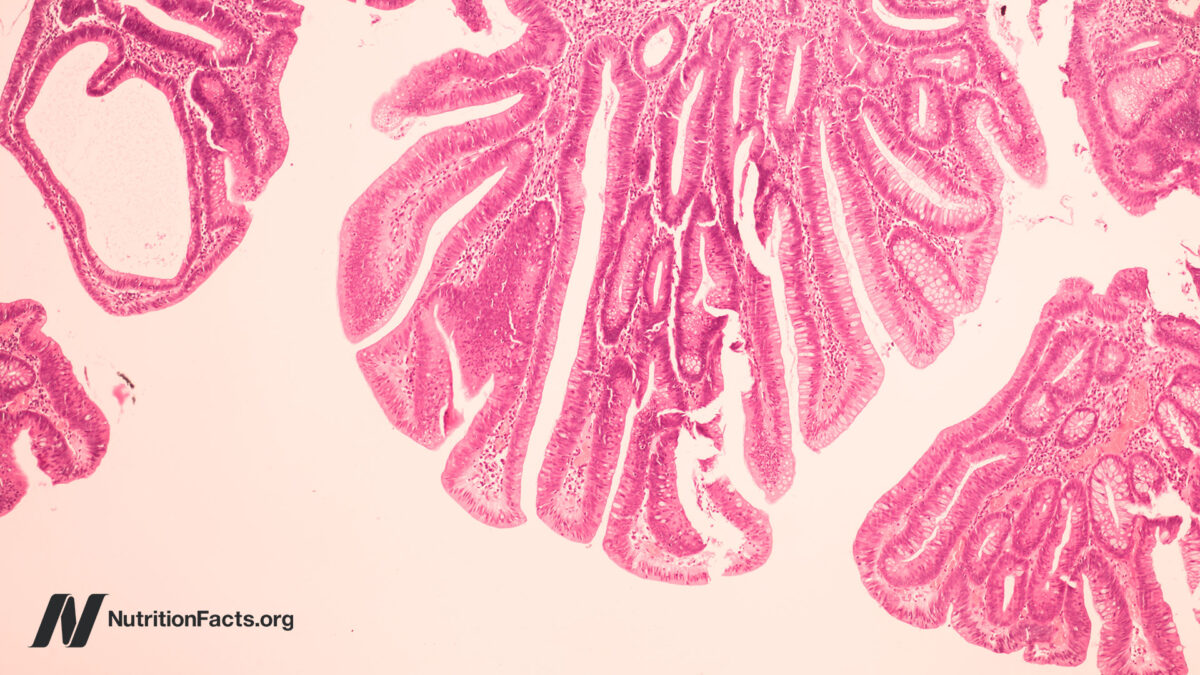
    In 2015, researchers in California found bovine leukemia virus (BLV) stitched into the DNA of human breast cancer tumors from mastectomies. The virus was found at much higher rates than in normal breast tissue obtained from breast reduction surgeries. Based on this difference, they calculated that as many as 37% of breast cancer cases may be attributable to exposure to BLV, likely through consuming milk or meat from infected animals.

    In response, the milk and meat industries seemed more concerned about consumer confidence than consumer cancer. But scientifically, the research priority turned to the question: Could the California results be replicated? The answer, it turns out, was yes. They were replicated among women in Iran. Replicated in Brazil. In Australia, the link was even stronger. In Texas, they found the same thing. Women diagnosed with breast cancer were found to be so much more likely to have bovine leukemia virus DNA in their breast tissue compared with women without cancer, that the attributable risk was calculated at 51.82%, indicating that this meat and dairy virus may be responsible for at least half of the breast cancer cases among the women in Texas they studied.

    All in all, six of the eight studies performed to date found the virus in human breast tissues, which “suggests strongly that BLV does infect humans, and breasts can be targets of infection.” Four of the five studies that compared infection rates in cancerous versus normal breast tissue found that the odds of detecting the virus in tumors were, on average, four times higher. How does that compare to other breast cancer risk factors? If you go on hormone replacement for five years, you can bump up your breast cancer risk by 30%. If you take birth control pills for more than a dozen years, your risk may go up by 40%. If you’re obese when you’re older, your risk can go up by 60%. Having a first-degree relative with breast cancer may double your risk. But having your breast infected with bovine leukemia virus may quadruple your risk, as you can see below and at 2:16 in my video Breast Cancer and the Bovine Leukemia Virus in Meat and Dairy.The only risk factors more potent than BLV infection were having the BRCA gene mutation, like Angelina Jolie has, or a high dose of ionizing radiation, like being in the wrong place at decidedly the wrong time, like Hiroshima and Nagasaki during World War II.
    Beyond confirmation, one study suggested that older patients had a greater likelihood of testing positive for bovine leukemia virus. That makes sense if BLV is from exposure to dairy and meat. The older we get, the more meals we’ve had—and the more opportunities to become infected over time. Researchers also discovered that the virus comes first, before the cancer diagnosis; they found it was present in some breast tissues 3 to 10 years before cancer was found. “This argues against the idea of viral invasion of already malignant cells,” quashing the theory that maybe the virus is somehow just attracted to the cancer after the fact. Could this explain the consistent findings that breast cancer tissue is more likely to harbor infection? Again, the data showed no — the virus appeared to come first. While the review doesn’t provide absolute proof that BLV is a cause of breast cancer, based on the best available balance of evidence, BLV infection does indeed appear to be a risk factor for breast cancer.

    The latest revelation is that BLV has now been found in human blood, too. This has a number of potential ramifications. Blood banks, for example, don’t screen for it. So, it’s possible you can get it from consuming meat or dairy, as well as from getting blood from someone who consumed meat or dairy. This could also mean that BLV could cause leukemia in people. It does in chimpanzees. Two infant chimps were fed milk from cows naturally infected with BLV, and both died of leukemia. We didn’t even know chimps could get leukemia. This certainly suggests the possibility of transmission or induction of leukemia through the ingestion of milk from BLV-infected cows, or blood-borne spread could carry the virus to other organs. In cattle, the virus causes blood cancers, but this may be just because dairy cattle are slaughtered and turned into hamburger when they are still so young, so maybe they don’t have time for tumors to grow in other organs.

    How concerned should we be about bovine leukemia virus? “It is not clear whether this is a good news story or a bad news story.” If future studies show that BLV does cause breast cancer in people, there will be significant repercussions for the dairy and cattle industries. But that means there is something we can do about it. Perhaps action should be taken now to eradicate the infection from cattle, rather than waiting for a final verdict. Twenty-one nations have already eradicated BLV from their dairy cattle. In contrast, the BLV prevalence in the United States just keeps increasing. If industries are not going to step up and try to eliminate the disease, then the least they could do is eliminate some of the practices that spread the disease between animals.

    BLV is spread via blood through contaminated needles, saw or gouge dehorners, ear taggers, hoof knives, tattoo pliers, nose tongs, and other tools of the agribusiness trade. Though “in view of the emerging information about BLV in human breast cancer, it is prudent to encourage the elimination of BLV in cattle, particularly in the dairy industry.” The hope is that, either way, it may help reduce the scourge of breast cancer.

    Doctor’s Note

    If you missed the previous video, see Bovine Leukemia Virus as a Cause of Breast Cancer.

    Avoiding infectious risks like BLV is another advantage of making meat without animals. See my video, The Human Health Effects of Cultivated Meat: Food Safety.


    Source link

  • Could Bovine Leukemia Virus be a Cause of Breast Cancer?

    Could Bovine Leukemia Virus be a Cause of Breast Cancer?

    As many as 37% of breast cancer cases may be attributable to exposure to the bovine leukemia virus.

    The incidence of breast cancer continues to increase worldwide. In the United States, this amounted to a 40% increase in the incidence by the turn of the century. Presently, the main approach to preventing mortality is early detection and treatment. That’s important, but why not focus more on primary prevention—protecting people from risk factors so they don’t develop breast cancer at all?

    “Overall, it is estimated that 20% of all human cancers have an infectious origin.” Viruses can trigger cancer by turning on cancer genes or turning off cancer-suppressing genes, but they can also contribute to tumor formation just by causing chronic inflammation. Currently, cancer-causing viruses are considered “the major plausible hypothesis for a direct cause of human breast cancer.” How did we get here?

    It all started about 40 years ago when a professor of virology at UC Berkeley learned how the mammary tumor virus was discovered in mice. Scientists switched baby mouse pups from mothers with a high incidence of mammary cancer with the babies from mouse strains with a low incidence and found that the cancer incidence in pups matched their foster mothers’—not their biological ones’—showing it wasn’t genetic. “It occurred to me that humans are foster nursed on the cow,” the professor said.

    Bovine leukemia virus (BLV) had just been identified as a cancer-causing cow virus. At the time, only about 10% of U.S. dairy cows were infected, but now it’s closer to half. Initially, 66% of herds were affected. Then, it was more like 80%, based on their milk testing positive for the virus, and 100% of the herds in the larger industrial farms. And now, more than 94% of U.S. herds are affected, continuing the historical trend of BLV persistently proliferating within U.S. dairy herds.

    We’ve long known that people in countries that consume the most milk have the highest breast cancer incidence. But, as you can see below and at 2:32 in my video, Bovine Leukemia Virus as a Cause of Breast Cancer, the link between dairy consumption and breast cancer incidence isn’t only on the country level.Individual women who are lactose intolerant and consume less dairy also seem to have decreased risk of breast cancer. Milk contains many things that could be contributing to the cancer risk, such as saturated fat and the presence of cancer-promoting growth hormones like IGF-1.

    Yes, we know bovine leukemia virus is present in beef and dairy products. About half of the milk and meat samples turn up positive for the virus. In fact, you can sample the virus straight out of the air on dairy farms, on surfaces, and in the milk itself. Most milk is pasteurized, but many dairy products, like raw, aged cheeses, are not. And who hasn’t eaten a pink-in-the-middle hamburger at some point in their life?

    Yes, we have evidence that people are exposed to the virus. Yes, we have evidence that people are actively infected with the virus. But it wasn’t until 2015 that we learned infection rates were highest in cancerous breast tissue, as you can see below and at 3:30 in my video.So much so that as many as 37% of breast cancer cases may be attributable to exposure to the bovine leukemia virus.
    That was enough for me to make a whole series of videos on the role the virus plays in breast cancer and how the meat and dairy industries responded to the news. What’s the latest update? That’s what I’ll cover next.

    Doctor’s Note

    You may remember that I’ve previously discussed The Role of Bovine Leukemia in Breast Cancer and the Industry Response to Bovine Leukemia Virus in Breast Cancer.

    Stay tuned for the next video: Breast Cancer and the Bovine Leukemia Virus in Meat and Dairy.


    Source link

  • Hidden Gut Virus Inside a Common Bacterium May Double Colon Cancer Risk and Could Become a Future Stool-Based Screening Marker

    Hidden Gut Virus Inside a Common Bacterium May Double Colon Cancer Risk and Could Become a Future Stool-Based Screening Marker

    Hidden viruses in the gut are emerging as a new frontier in cancer research, and the virome may be just as important as bacteria when it comes to colorectal cancer risk. A newly described bacteriophage hiding inside common Bacteroides bacteria has been linked to roughly doubled odds of developing colorectal cancer, and it may one day serve as a non‑invasive stool biomarker for earlier detection.

    This finding is pushing scientists to look beyond bacteria alone and consider how viral communities in the intestine shape health and disease.

    Colorectal Cancer and the Need for Better Screening

    Colorectal cancer starts in the colon or rectum, usually from small polyps that can become malignant over many years.

    Because early stages often cause no symptoms, detection before spread is crucial for survival and treatment success. When found early, colorectal cancer is usually much more treatable and associated with better long‑term outcomes.

    Current screening tools include colonoscopy, sigmoidoscopy, fecal occult blood tests (FOBT/FIT), and stool DNA tests. Colonoscopy is highly effective but invasive, requires bowel preparation, and can be difficult to access for some people.

    Stool‑based tests are simpler and non‑invasive, but they can miss early cancers or advanced polyps. These limitations drive interest in new stool biomarkers, including those that come from the gut virome, bacteriophages, and specific Bacteroides strains.

    Microbiome, Virome, and Cancer Risk

    Most research on colorectal cancer and the gut has focused on the microbiome, the community of bacteria in the intestine. Studies repeatedly show that certain bacteria, such as Fusobacterium and some Bacteroides species, are more common in people with colorectal cancer than in healthy controls.

    These microbes may promote inflammation, produce toxins, or form biofilms that help tumors develop and escape immune defenses.

    Alongside bacteria, the gut also hosts a rich virome, made up largely of bacteriophages, viruses that infect bacteria, not human cells. Bacteriophages can integrate into bacterial genomes (as prophages) or lyse their hosts. In doing so, they can change which bacteria are present and how they behave.

    A bacterium carrying a particular prophage may produce more toxins, adhere more strongly to the gut lining, or interact differently with the immune system.

    Because of these effects, the virome is now seen as an important factor in colorectal cancer. Distinct bacteriophage patterns have been observed in stool samples from colorectal cancer patients.

    These patterns suggest that certain phages, especially those linked to Bacteroides, could act as both contributors to disease and as stool biomarkers that signal increased risk.

    Bacteroides fragilis and a Hidden Bacteriophage

    Bacteroides is a major bacterial genus in the human colon and plays key roles in digestion and immune development. Among its species, Bacteroides fragilis is widely present in healthy individuals.

    Most strains are harmless or beneficial, but some enterotoxigenic Bacteroides fragilis (ETBF) strains produce toxins that can cause diarrhea and chronic inflammation.

    Recent work has revealed a previously unrecognized bacteriophage integrated into Bacteroides fragilis genomes. In its prophage state, this virus sits quietly inside the bacterial DNA and is not visible as an active infection.

    Using high‑throughput sequencing of bacterial isolates and stool samples, researchers identified a specific viral sequence that appeared far more often in Bacteroides fragilis from people with colorectal cancer than in those without the disease.

    This suggests that the combination of Bacteroides and a particular bacteriophage may matter more than the bacterium alone.

    How Strong Is the Association With Colorectal Cancer?

    Across large international cohorts, individuals with colorectal cancer were about twice as likely to carry this Bacteroides‑associated bacteriophage compared with cancer‑free controls.

    This does not prove that the virus causes cancer, but it signals a strong association worth further study. It raises the possibility that the bacteriophage could affect bacterial virulence, toxin production, or interactions with the gut lining in ways that promote tumor development.

    Mechanistically, researchers suspect that prophage integration might alter gene regulation in Bacteroides fragilis, increase production of inflammatory or genotoxic factors, or encourage biofilm formation on the colon mucosa.

    Even if the virus itself is not directly oncogenic, it may mark a broader virome and microbiome shift that creates a more cancer‑prone environment. From a screening perspective, this kind of consistent association is valuable, because a reliable marker can help identify people at higher risk.

    Virome-Based Stool Biomarkers: A New Screening Frontier

    Stool is an ideal medium for non‑invasive testing because it contains DNA and RNA from bacteria, viruses, and the host. Traditional stool tests for colorectal cancer look for blood or human DNA mutations.

    Microbiome‑based approaches add information about bacterial composition. Virome‑based testing extends this by targeting bacteriophages and other gut viruses as additional indicators.

    Bacteriophages are attractive stool biomarkers because they are abundant and often highly specific to their bacterial hosts. A virome‑focused assay could, in principle, detect the Bacteroides‑associated bacteriophage linked to colorectal cancer.

    This could be done with broad metagenomic sequencing or with targeted PCR approaches that look specifically for the viral sequence.

    In real‑world use, such a viral marker would likely be combined with bacterial, human DNA, and blood‑based markers in a multi‑parameter stool test, improving sensitivity for early disease while maintaining acceptable false‑positive rates.

    Before any virome‑based stool biomarker becomes part of standard care, it must be validated in large prospective studies, tested across diverse populations, and shown to be cost‑effective and practical in routine clinics. Laboratory methods will need standardization, and regulatory approval will be required.

    Virome-Driven Advances in Colorectal Cancer Prevention

    The emerging link between the gut virome, specific bacteriophages, Bacteroides, and colorectal cancer underscores how complex the intestinal ecosystem is. As research continues, virome‑based stool biomarkers may complement colonoscopy and existing stool tests, offering more personalized and less invasive screening options.

    If the Bacteroides‑associated bacteriophage consistently identifies individuals at higher risk, an accessible stool biomarker built around this virome signal could help detect colorectal cancer earlier and guide timely prevention and treatment.

    Frequently Asked Questions

    1. Can changing my diet modify the gut virome and possibly affect colorectal cancer risk?

    A diet rich in fiber, fruits, and vegetables can shift both the microbiome and virome toward more diverse, stable communities, which is generally associated with lower inflammation and may indirectly reduce colorectal cancer risk.

    2. Is it possible to remove harmful bacteriophages like the one in Bacteroides with probiotics?

    Current probiotics mainly influence bacteria, not specific bacteriophages; while they might alter the overall ecosystem, there is no evidence yet that standard probiotic products selectively remove this Bacteroides‑associated virus.

    3. Could antibiotics help by eliminating Bacteroides strains carrying cancer‑linked bacteriophages?

    Broad antibiotics can reduce Bacteroides and associated phages, but they also disrupt beneficial microbes and may harm long‑term gut health, so they are not considered a targeted or preventive strategy for colorectal cancer.

    4. Are at-home microbiome tests able to detect virome patterns linked to colorectal cancer?

    Most consumer microbiome kits focus on bacterial DNA and do not comprehensively profile the virome, so they cannot reliably detect cancer‑associated bacteriophage signatures at this time.


    Originally published on Science Times

    Source link

  • Understanding Cancer and Why Some Types are More Common Than Others

    Understanding Cancer and Why Some Types are More Common Than Others

    Cancer affects millions of people each year, and a large share of these cases come from just a few types: breast, prostate, lung, and colon cancer. These cancers are common because they involve large, hormonally active organs that are exposed to everyday lifestyle and environmental factors over many years.

    Understanding why they occur so often helps explain the statistics and highlights where prevention and early detection matter most.

    What Makes a Type of Cancer “Common”?

    When a cancer is called “common,” it usually means it causes many new cases in a population each year or carries a high lifetime risk. Breast, prostate, lung, and colon cancer rank near the top in many countries, especially where people live longer and lifestyles include less movement and more processed foods.

    Aging is crucial, because cells that divide over many decades have more chances to accumulate DNA damage that can lead to cancer.

    Organs such as the breast, prostate, lung, and colon are biologically active and constantly exposed. Breast and prostate tissues respond strongly to hormones, while lungs and the colon directly contact air, smoke, pollutants, and food contents.

    Over time, repeated injury and repair in these tissues increase the odds that abnormal cells will appear. Screening programs that focus on these organs also make them more visible in cancer statistics, as early and mild cases are more likely to be found.

    Breast Cancer Basics

    Breast cancer begins when cells in the breast grow in an uncontrolled way, often starting in ducts or lobules that carry or produce milk. It is the most frequently diagnosed cancer in women worldwide, and its high numbers reflect both widespread breast tissue and longer life expectancy.

    Hormonal exposure is a major factor. Longer lifetime exposure to estrogen and progesterone, through early menstruation, late menopause, or hormone therapy, can raise risk.

    Family history and inherited gene changes also matter. Lifestyle factors such as obesity, alcohol use, and lack of physical activity further influence breast cancer risk.

    While not all risk can be removed, maintaining a healthy weight, limiting alcohol, exercising, and following recommended mammography schedules support earlier detection and lower overall risk.

    Prostate Cancer Basics

    Prostate cancer develops in the prostate gland, which sits below the bladder and contributes to seminal fluid in men. It is one of the most common cancers in men, with risk rising sharply with age. Many older men develop small prostate cancers, though not all will progress to serious disease.

    Male sex hormones (androgens) strongly affect prostate cells. Over decades, hormonal stimulation and cell turnover increase the chances that harmful mutations will arise. A family history of prostate cancer and inherited gene changes raise risk further. Diet, obesity, and chronic inflammation may also play a role.

    Screening with prostate-specific antigen (PSA) tests and examinations can detect prostate cancer earlier, but there is ongoing discussion about balancing early detection with the risk of overdiagnosis and overtreatment, according to the Centers for Disease Control and Prevention.

    Lung Cancer Basics

    Lung cancer starts in cells of the lungs, usually in the airways or air sacs. It is among the most common cancers globally and a leading cause of cancer-related death. Its frequency is closely tied to tobacco use, although air pollution, occupational exposures, and radon also contribute.

    Because lungs are in constant contact with inhaled air, they are directly exposed to harmful substances over long periods.

    Smoking remains the dominant cause of lung cancer. The carcinogens in cigarette smoke repeatedly damage lung cells, and the repair process can lock DNA damage into permanent mutations. Secondhand smoke and other pollutants also increase risk.

    People who never smoke can still develop lung cancer, but patterns of disease follow smoking rates in most populations. Avoiding tobacco, supporting smoke-free environments, and seeking medical review for persistent cough or breathing changes are key steps for lowering risk and improving early detection.

    Colon Cancer Basics

    Colon cancer, often grouped with rectal cancer as colorectal cancer, affects the large intestine, where water is absorbed and waste forms. It is one of the most common cancers and a leading cause of cancer death, yet it is also highly preventable through screening.

    The cells lining the colon are exposed for hours each day to digested food and its byproducts. Diets high in red and processed meat and low in fiber, combined with obesity, inactivity, alcohol use, and smoking, all raise colon cancer risk.

    Age is a major driver, with most cases historically occurring after 50, though rates in younger adults are rising in some regions. Screening tests such as colonoscopy and stool-based checks can identify and remove precancerous polyps, preventing many cases of invasive colon cancer, as per Mayo Clinic.

    Why These Four Cancers Are So Common

    Breast, prostate, lung, and colon cancer share several risk patterns. Tobacco use, excess body weight, low physical activity, alcohol consumption, and diets rich in processed foods all contribute to multiple cancer types.

    These lifestyle factors act on tissues that are hormone-sensitive or constantly exposed to environmental influences, especially as people age.

    These cancers are also the focus of many research and screening efforts, which increases detection of early-stage disease.

    Only a portion of risk is strictly inherited; in most people, genes, environment, and lifestyle interact. Although no single measure can fully prevent cancer, changes at the individual and population levels can meaningfully reduce the burden of breast, prostate, lung, and colon cancer.

    Taking Charge of Cancer Risk: Breast, Prostate, Lung, and Colon Cancer Awareness

    Cancer will remain a major health challenge, and breast, prostate, lung, and colon cancer will continue to represent a large share of diagnoses.

    Still, understanding why these cancers are so common highlights the importance of avoiding tobacco, staying active, maintaining a healthy weight, choosing more whole foods and fewer processed meats, and limiting alcohol.

    Awareness of how cancer develops in the breast, prostate, lung, and colon helps people make more informed choices about screening and everyday habits. Following recommended mammograms, colon tests, and appropriate prostate or lung screening where indicated can lead to earlier detection and better outcomes.

    Keeping cancer, including breast, prostate, lung, and colon cancer, in mind as part of long-term health planning opens room for prevention, vigilance, and timely care.

    Frequently Asked Questions

    1. Can someone have more than one of these cancers in their lifetime?

    Yes. A person can develop more than one primary cancer, either at the same time or years apart, especially if they have strong genetic risk factors, significant lifestyle exposures, or are living longer after successful treatment.

    2. Do breast, prostate, lung, and colon cancer share any warning signs?

    They each have specific symptoms, but shared warning signs can include unexplained weight loss, persistent fatigue, and pain that does not improve. Any ongoing change in the body that is unusual for the person should be checked by a doctor.

    3. Is it possible to have cancer without any symptoms?

    Yes. Early-stage breast, prostate, lung, or colon cancer may cause little or no noticeable symptoms. This is one reason screening tests are recommended for people in certain age or risk groups.

    4. Does regular exercise lower the risk of all four of these cancers?

    Regular physical activity is linked to a lower risk of several cancers, including breast and colon cancer, and it helps manage weight and hormone levels. While it cannot remove risk completely, it is a useful, broad protective factor.


    Source link