Fat deposition around the waistline is often considered a risk factor for those with diabetes. But does a smaller waistline always indicate better health? Researchers have found that, in some cases, a larger waist circumference might actually help reduce mortality risk for people with diabetes.
After examining survival data of around 6,600 U.S. adults from the National Health and Nutrition Examination Survey (NHANES) with diabetes, researchers of a recent study found that the relationship between waist circumference and the risk of death is not linear. This means the risk changes in a more complex pattern, depending on factors like gender.
For women with diabetes, the link between waist size and risk of death follows a U-shape, with the lowest risk at about 42 inches (107 cm), much higher than what is usually considered healthy. However, for each extra centimeter above this, the risk of death increased by 4%, and for each centimeter below, the risk increased by 3%.
In men, the curve is J-shaped, with the lowest risk of death at about 35 inches (89cm). The risk increases by 6% for each centimeter below this threshold and 3% for each centimeter above it. The findings were published in Chronic Metabolic Disease.
However, according to current clinical guidelines, a waist circumference of 35 inches (88 cm) is considered central obesity for women, while for men, it’s 40 inches (102 cm).
The researchers hence believe that their findings suggest a phenomenon called the “obesity paradox.” The concept refers to the idea that, in some cases, being overweight or having a higher body fat percentage than normal might offer some protective benefits.
However, the findings do not mean that having a larger waistline is always better, and the researchers do not suggest all diabetic patients gain weight around the waistline. It is important to note that the study only focused on how the waistline affects mortality risk in diabetes patients without considering other health outcomes. Also, since the study is observational it has not established a cause-and-effect relationship between waist circumference and risk of death.
“Further research is needed to explore the underlying mechanisms rather than promoting preconceived notions about an optimal waist circumference,” the researchers wrote.
Healthy eating with minimal sugar is essential for long-term health and lowering the risk of chronic conditions. A recent study suggests these efforts should begin as early as conception. Researchers found that limiting sugar intake during the first 1000 days of life, from pregnancy through a child’s second birthday, could dramatically reduce their risk of diabetes and hypertension.
The study revealed that less sugar intake during the critical period of early life could cut the diabetes risk by 35% and the risk of hypertension by 20%.
The researchers came up with these interesting findings by evaluating the long-term health impact of sugar rationing that occurred during World War II. They used recent data from the U.K. Biobank, which includes medical histories and genetic and lifestyle factors, to examine how early-life sugar restrictions impacted adult health in those conceived just before and after wartime sugar rationing ended.
“Using an event study design with UK Biobank data comparing adults conceived just before or after rationing ended, we found that early-life rationing reduced diabetes and hypertension risk by about 35% and 20%, respectively, and delayed disease onset by 4 and 2 years,” the researchers wrote in the study published in the journal Science.
The researchers noted that the chronic health risks were significantly reduced when expectant mothers limited their sugar intake during pregnancy. However, the benefits increased even more when children continued to be on a sugar restriction after birth, averaging no more than 8 teaspoons (40 grams) per day.
The end of wartime rationing offered a unique window for a natural experiment when sugar intake surged sharply, while other foods remained unchanged. Individuals’ early-life sugar exposure varied depending on whether they were conceived or born before or after September 1953. While those conceived just before experienced sugar-scarce conditions, those born just after entered a more sugar-rich environment.
“Studying the long-term effects of added sugar on health is challenging. It is hard to find situations where people are randomly exposed to different nutritional environments early in life and follow them for 50 to 60 years. The end of rationing provided us with a novel natural experiment to overcome these problems,” study corresponding author Tadeja Gracner said in a news release.
Diabetes is not just about having high blood sugar levels; it is a chronic condition that could potentially lead to several health issues, such as heart attack and stroke. But does the timing of diabetes onset affect the risk of complications and mortality? A recent study revealed that developing diabetes before age 40 is linked to a significantly higher risk of early death.
While diagnosing diabetes before 40 quadrupled the risk of early death, later onset was linked to a one-and-a-half times higher risk of death compared with the general population without the condition, according to the study published in the Lancet Diabetes & Endocrinology. The findings underscore the importance of delaying the onset of diabetes to reduce complications and risk of premature death.
To understand the impact of diabetes on overall health, researchers followed up 4,550 individuals newly diagnosed with diabetes for over 30 years. The participants were between the ages of 25 and 65.
The analysis revealed that diabetic diagnosis at an earlier stage was linked to a higher rate of related complications, particularly microvascular diseases such as eye damage and kidney failure, and a higher risk of death. Diabetes onset at a younger age also was linked to poorer blood sugar control.
“Over the past 30 years, the number of young adults diagnosed with type 2 diabetes has increased markedly worldwide. Evidence to date suggests that younger-onset type 2 diabetes, characterized by earlier and longer exposure to high levels of blood glucose, maybe more aggressive than later onset disease. This might include a faster deterioration in β-cell function—the cells in the pancreas that produce and release insulin- and a greater risk of complications such as cardiovascular and kidney disease,” said Amanda Adler, co-author of the study in a news release.
According to the lead author of the study, Dr. Beryl Lin, more clinical trials should focus on tailored treatments for delaying diabetic complications in young people.
“We particularly need to understand why young adults with type 2 diabetes suffer greater risks of complications, and how we can identify and help this vulnerable group of people who have to live with diabetes for the rest of their lives,” Dr. Lin said.
Is it possible to reverse type 1 diabetes if caught early enough?
TheInternational Journal of Disease Reversal and Prevention has already had its share of miraculous disease reversals with a plant-based diet. For instance, one patient began following a whole food, plant-based diet after having two heart attacks in two months. Within months, he experienced no more chest pain, controlled his cholesterol, blood pressure, and blood sugars, and also lost 50 pounds as a nice bonus. Yet, the numbers “do not capture the patient’s transformation from feeling like a ‘dead man walking’ to being in command of his health with a new future and life.”
I’ve previously discussed cases of reversing the autoimmune inflammatory disease psoriasis and also talked about lupus nephritis (kidney inflammation). What about type 1 diabetes, an autoimmune disease we didn’t think we could do anything about? In contrast to type 2 diabetes, which is a lifestyle disease that can be prevented and reversed with a healthy enough diet and lifestyle, type 1 diabetes is an autoimmune disease in which our body attacks our pancreas, killing off our insulin-producing cells and condemning us to a life of insulin injections—unless, perhaps, it’s caught early enough. If a healthy enough diet is started early enough, might we be able to reverse the course of type 1 diabetes by blunting that autoimmune inflammation?
As I discuss in my video Type 1 Diabetes Treatment: A Plant-Based Diet, we know that patients with type 1 diabetes “may be able to reduce insulin requirements and achieve better glycemic [blood sugar] control” with healthier diets. For example, children and teens were randomized to a nutritional intervention in which they increased the whole plant food density of their diet—meaning they ate more whole grains, whole fruits, vegetables, legumes (beans, split peas, chickpeas, and lentils), nuts, and seeds. Researchers found that the more whole plant foods, the better the blood sugar control.
The fact that more whole fruits were associated “with better glycemic [blood sugar] control has important clinical implications for nutrition education” in those with type 1 diabetes. We should be “educating them on the benefits of fruit intake, and allaying erroneous concerns that fruit may adversely affect blood sugar.”
The case series in the IJDRP, however, went beyond proposing better control of just their high blood sugars, the symptom of diabetes, but better control of the disease itself, suggesting the anti-inflammatory effects of whole healthy plant foods “may slow or prevent further destruction of the beta cells”—the insulin-producing cells of the pancreas—“if dietary intervention is initiated early enough.” Where did this concept come from?
A young patient. Immediately following diagnosis of type 1 diabetes at age three, a patient began a vegetable-rich diet and, three years later, “has not yet required insulin therapy…and has experienced a steady decline in autoantibody levels,” which are markers of insulin cell destruction. Another child, who also started eating a healthier diet, but not until several months after diagnosis, maintains a low dose of insulin with good control. And, even if their insulin-producing cells have been utterly destroyed, individuals with type 1 diabetes can still enjoy “dramatically reduced insulin requirements,” reduced inflammation, and reduced cardiovascular risk, which is their number one cause of death over the age of 30. People with type 1 diabetes have 11 to 14 times the risk of death from cardiovascular disease compared to the general population, and it’s already the top killer among the public, so it’s closer to 11 to 14 times more important for those with type 1 diabetes to be on the only diet and lifestyle program ever proven to reverse heart disease in the majority of patients—one centered around whole plant foods. The fact it may also help control the disease itself is just sugar-free icing on the cake.
All this exciting new research was presented in the first issue of The International Journal of Disease Reversal and Prevention. As a bonus, there’s a companion publication called the Disease Reversal and Prevention Digest. These are for the lay public and are developed with the belief I wholeheartedly share that “everyone has a right to understand the science that could impact their health.” You can go behind the scenes and hear directly from the author of the lupus series, read interviews from luminaries like Dean Ornish, see practical tips from dietitians on making the transition towards a healthier diet, and enjoy recipes.
The second issue includes more practical tips, such as how to eat plant-based on a budget, and gives updates on what Dr. Klaper is doing to educate medical students, what Audrey Sanchez from Balanced is doing to help change school lunches, and how Dr. Ostfeld got healthy foods served in a hospital. (What a concept!) And what magazine would be complete without an article to improve your sex life?
The journal is free, downloadable at IJDRP.org, and its companion digest, available at diseasereversaldigest.com, carries a subscription fee. I am a proud subscriber.
Want to learn more about preventing type 1 diabetes in the first place? See the related posts below.
Blood glucose test strips are essential tools for managing diabetes, allowing individuals to monitor their blood sugar levels with precision. These strips work in conjunction with a glucose meter to provide accurate readings, which are crucial for maintaining optimal blood glucose control.
This article will explore what blood glucose test strips are, their various uses, whether you should use them, and what to consider when purchasing them. Additionally, we will highlight 25 of the best blood glucose test strips available, with links to their respective sources.
What Are Blood Glucose Test Strips?
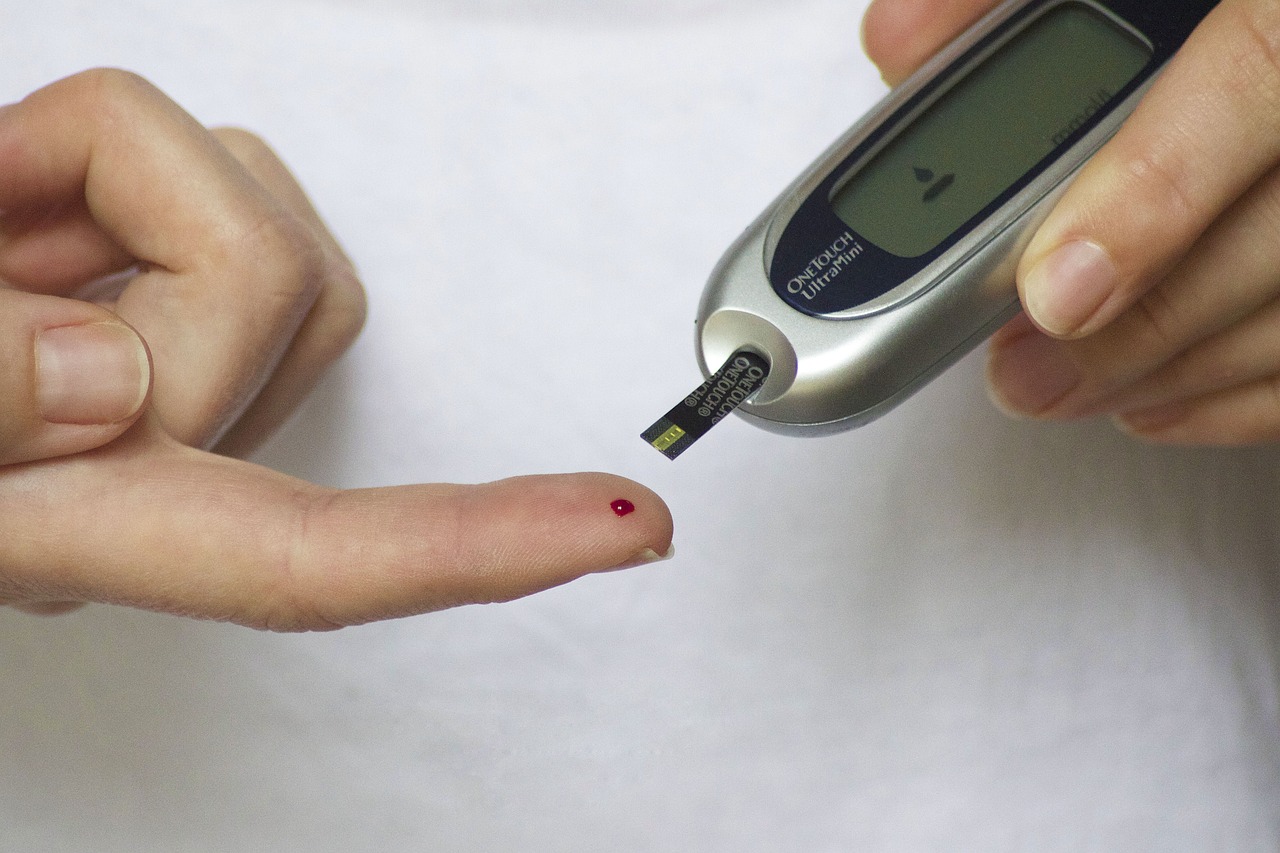
Blood glucose test strips are small, disposable strips used in blood glucose meters to measure the amount of glucose (sugar) in a blood sample. These strips are coated with chemicals that react with glucose. When a small drop of blood is placed on the strip, it undergoes a chemical reaction that produces an electrical signal. This signal is then interpreted by the glucose meter, providing a numerical reading of the blood glucose level.
Uses of Blood Glucose Test Strips
The primary use of blood glucose test strips is to monitor blood sugar levels in individuals with diabetes. Regular monitoring helps manage the condition effectively by providing insights into how different foods, activities, and medications affect blood glucose levels. Accurate readings allow individuals to make informed decisions about their diet, exercise, and medication, which can help prevent complications associated with diabetes, such as hypoglycemia (low blood sugar) or hyperglycemia (high blood sugar).
Additionally, blood glucose test strips can help healthcare providers assess the effectiveness of a patient’s diabetes management plan. Frequent testing can reveal patterns and trends in blood glucose levels, which can be valuable for adjusting treatment plans and improving overall health outcomes.
Should You Use Blood Glucose Test Strips?
For individuals with diabetes, using blood glucose test strips is generally recommended as part of a comprehensive diabetes management plan. Regular testing can provide critical information that helps in managing blood glucose levels effectively. It enables timely adjustments to medication, diet, and lifestyle to keep blood sugar within the target range.
However, the frequency of testing should be based on individual needs and recommendations from healthcare providers. Some people may need to test multiple times a day, while others may only need to test periodically. It is essential to follow a healthcare provider’s guidance to ensure optimal management of the condition.
What to Look for When Buying Blood Glucose Test Strips
When purchasing blood glucose test strips, several factors should be considered to ensure you select the best product for your needs. Here are key aspects to evaluate:
Compatibility: Test strips are often designed to work with specific glucose meters. Ensure that the strips you choose are compatible with your meter. Using incompatible strips can lead to inaccurate results and potentially affect your diabetes management.
Accuracy: The accuracy of test strips is crucial for reliable blood glucose readings. Look for products that have been tested and validated for accuracy. Many reputable brands provide detailed information on their accuracy and performance standards.
Ease of Use: Test strips should be easy to handle and apply. Consider factors such as the size of the strip, the amount of blood required, and the ease of reading the results. Some strips are designed for easier handling and may be more suitable for those with dexterity issues.
Cost and Insurance Coverage: Blood glucose test strips can be costly, and the price can vary significantly between brands. Check if your insurance plan covers the cost of the strips and consider purchasing in bulk to reduce expenses. Some brands offer cost-saving programs or discounts that can help manage the financial burden.
Expiration Date: Test strips have a shelf life, and using expired strips can lead to inaccurate readings. Always check the expiration date on the packaging and ensure that you use the strips within their valid period.
The 25 Best Blood Glucose Test Strips
Below is a list of 25 of the best blood glucose test strips, known for their accuracy, ease of use, and reliability. Each entry includes a link to the product for further information and purchase options.
The Freestyle Lite glucose test strips come in a 50-count pack, designed for blood glucose testing. They are noted for their efficient performance, requiring only a small sample size of 0.3 µL of blood. These strips feature patented ZipWik tabs, facilitating quick and easy application. Additionally, they allow up to 60 seconds to reapply blood, minimizing waste. The test strips are also notable for their no-coding requirement, simplifying the testing process. With a rating of 4.7 out of 5 stars from 6,960 users, they offer a reliable option for glucose monitoring. Each strip is priced at approximately $0.77.
The CareSens N Blood Glucose Monitor Kit provides a comprehensive solution for diabetes management. It includes a glucose meter, 100 test strips, 100 lancets, a lancing device, a control solution, and a travel case. The monitor features auto-coding for easy calibration and requires a minimal blood sample of 0.5 µL, enhancing comfort during testing. Results are delivered within 5 seconds, and the kit’s battery supports up to 1000 tests. This user-friendly kit is designed for both home and on-the-go testing, offering a practical and cost-effective option for routine blood glucose monitoring.
TRUE METRIX Blood Glucose Test Strips NFRS (100 Count) offer a practical solution for blood glucose monitoring. With a tiny sample requirement of just 0.5 microliters, they are designed for precision and ease of use. These test strips feature TRIPLE SENSE TECHNOLOGY, which enhances accuracy. They are compatible exclusively with TRUE METRIX, TRUE METRIX AIR, and TRUE METRIX GO glucose meters. Manufactured in the U.S.A., they are intended for individual use. The product has received positive feedback with an average rating of 4.8 out of 5 stars from over 21,500 reviews.
The CareSens N Blood Glucose Test Strips are designed for use with CareSens N Family Meter Kits and are highly rated for their accuracy and ease of use. With a pack containing 50 strips, they are priced at approximately $0.26 per strip. These test strips provide instant results, making them convenient for monitoring blood glucose levels. Users appreciate their reliability and straightforward functionality, contributing to their high rating of 4.8 out of 5 stars based on over 3,200 reviews
The Dario 100 Blood Glucose Test Strips, sold in a pack of 25 strips per cartridge with four cartridges included, are specifically designed for use with the Dario glucose meter. These strips require a minimal blood sample of 0.3 microliters and provide results within six seconds. The test strips are intended for single use and should be used within one month after opening the foil packaging to ensure accuracy. The product is highly rated, reflecting its reliability and compatibility with the Dario monitoring system.
The CONTOUR NEXT Blood Glucose Test Strips are designed for use with the CONTOUR NEXT range of meters, offering highly accurate results with minimal user intervention. These strips utilize no coding technology, which simplifies the testing process and reduces the potential for errors. They require only a small blood sample of 0.6 microliters and feature a second-chance sampling system, allowing users to add more blood if necessary, potentially reducing waste.
The McKesson True METRIX Self-Monitoring Blood Glucose Test Strips provide a reliable option for managing diabetes. Each pack contains 100 test strips, which are designed to deliver accurate results and come in convenient packaging with two vials of 50 strips each. These latex-free strips are safe for users with sensitivities and include comprehensive instructions for proper use. Compatible with several McKesson TRUE METRIX systems, the strips facilitate effective glucose monitoring.
The OneTouch Verio Test Strips for Diabetes includes 90 strips across three boxes, each containing 30 strips. Designed for use with the OneTouch Verio Reflect and OneTouch Verio Flex meters, these strips deliver accurate blood glucose readings in just five seconds. They require only a small blood sample and do not need coding, making them convenient for quick and reliable home glucose monitoring. With a rating of 4.8 out of 5 stars from over 11,000 users, the strips are well-regarded for their ease of use and precision. T
The Metene TD-4116 Blood Glucose Monitor Kit offers a comprehensive solution for managing blood sugar levels. This kit includes 100 glucometer strips, 100 lancets, a blood sugar monitor, a lancing device, and a control solution for accuracy checks. Notable for its no-coding design, the monitor simplifies testing with a large display and quick results—providing readings in just 7 seconds from a small 0.7 µl blood sample. With a storage capacity for up to 450 readings and multiple average modes, it facilitates effective glucose tracking. Its user-friendly features, including large display and reminder alarms, cater particularly well to older users.
The DARIO Smart Glucose Monitor Kit provides a compact and efficient solution for managing diabetes. Designed specifically for iPhones up to the 14 series, the kit includes a glucometer, 25 test strips, and 10 sterile lancets. The device is compatible with the Dario Health App, which facilitates easy tracking and monitoring of blood sugar levels. It offers a quick testing process with results available in 6 seconds, requiring only a minimal 0.3µL blood sample. The all-in-one kit eliminates the need for batteries and coding, making it a practical option for on-the-go diabetes management. It has received a 4.2-star rating based on 12,301 reviews.
iHealth Blood Glucose Test Strips are designed for use with iHealth glucose meters and are notable for their no-coding feature, which simplifies testing. The strips utilize GDH-FAD enzyme technology for accurate and stable readings, minimizing interference from oxygen levels. Packaged in two vials, they are protected from light, air, and moisture, which helps maintain their efficacy. The strips are FDA-cleared and CE-approved, ensuring compliance with medical standards. They require only a small blood sample (0.7 microliters) for results. Eligible for FSA reimbursement, they provide a convenient and reliable option for diabetes management.
The KETO-MOJO Test Strip Combo Pack, designed exclusively for the GK+ meter, provides a comprehensive solution for monitoring both blood glucose and ketone levels. This pack contains 60 blood glucose strips and 60 blood ketone strips, ensuring accurate and consistent readings due to advanced technology and no need for coding. The strips are individually foil-wrapped to maintain sterility and prolong their shelf life. The patented Super-sip technology ensures precise results by efficiently filling the blood channel.
The Accu-Chek Guide Glucose Test Strips, available in a pack of 100, offer a reliable option for diabetic blood sugar testing. Designed for use with Accu-Chek Guide, Guide Me, and Guide Link meters, these strips provide fast and accurate results from a small blood sample. Their unique design allows for a drop of blood to be placed anywhere along the end of the strip, enhancing ease of use. Additionally, the SmartPack packaging ensures that strips are dispensed one at a time, minimizing the risk of contamination and loss. The pack of 100 is priced at $42.00, translating to $0.42 per strip.
The Medline EvenCare G2 Blood Glucose Test Strips are designed for use with the Medline EvenCare G2 Monitoring System, providing a straightforward method for self-testing blood glucose levels. Each strip requires a minimal blood sample of 1.0 µL and offers results within six seconds. The system supports testing from various sites, including the forearm, palm, or fingertips, which may reduce discomfort. The package includes 50 strips and is noted for its ease of use. The product has received favorable reviews, averaging 4.7 out of 5 stars, indicating overall user satisfaction with its performance and convenience.
ReliOn Premier Blood Glucose Test Strips are designed for accurate and reliable blood glucose monitoring. Compatible exclusively with the ReliOn Premier range of glucose meters, these strips are noted for their precision and ease of use. They offer a quick testing process with results in just five seconds and require only a 0.5 microliter blood sample. The strips eliminate the need for coding, streamlining the testing procedure.
The OneTouch Ultra Test Strips provide a reliable option for managing blood glucose levels. Each box contains 60 strips, totaling 120 strips per pack. Notably, these test strips feature DoubleSure Technology, which automatically verifies each blood sample twice to ensure accurate readings. The visual confirmation feature helps users ascertain if the test strip has an adequate blood sample, enhancing testing reliability. Designed for use with the OneTouch Ultra 2 meter, the strips offer fast results, with readings available in just five seconds.
The Freestyle Precision Neo Blood Glucose Test Strips, available in a pack of 50, offer a reliable option for monitoring blood glucose levels. These strips are designed with the Freestyle Precision Neo blood glucose monitoring system and the Freestyle Libre Reader’s built-in meter. Notable features include no required coding, hypoallergenic properties, and a small sample size needed for testing. Each strip provides results in just 5 seconds and is individually wrapped, enhancing convenience for on-the-go testing. The product has received positive feedback for its accuracy and ease of use, reflected in its 4.7-star rating from 1,625 users.
The GE100 Blood Glucose Test Strips come in a bulk package of 200 strips, divided into four boxes of 50 strips each. Priced at approximately $40.50, these strips offer a cost-effective solution for blood glucose monitoring. They feature true auto-coding and patented gold electrode technology, which ensures accurate and reliable results with a small sample size. The large, easy-to-handle design contributes to user convenience. The product is well-rated with an average 4.8 out of 5 stars based on 905 reviews.
The Embrace Blood Glucose Test Strips, offered by Omnis Health, come in a 100-count package, providing an accessible option for blood glucose monitoring. These strips are designed to be user-friendly, requiring no coding and accommodating small sample sizes for ease of use. They support alternate site testing, allowing users to test on fingers, palms, or forearms. A three-step verification system enhances the accuracy of the results. Each strip is priced at $0.19, and the product maintains a high customer rating of 4.8 out of 5 stars, based on 1,134 reviews.
The Prodigy 52800 No Coding Blood Glucose Test Strips are designed for individuals managing their blood glucose levels. This product offers 50 strips per pack, providing reliable and accurate readings without manual coding, and reducing user error. These strips are compatible with Prodigy brand glucose meters, ensuring seamless integration into daily monitoring routines. With a 4.7 out of 5-star rating from over 3,500 users, these strips are well-regarded for their accuracy and ease of use.
The Prodigy 73200 No Coding Blood Glucose Test Strips, available in a pack of 50, are designed for seamless compatibility with Prodigy AutoCode, Pocket, Voice, and Preferred meters. These strips are known for their accuracy and convenience, with no coding required, making them user-friendly. They also support Alternate Site Testing (AST), providing flexibility in testing locations. The capillary action feature simplifies the process, ensuring efficient blood application.
The AUVON DS-W Draw-in Blood Glucose Test Strips are designed for use with the AUVON DS-W Diabetes Sugar Testing Meter. These strips utilize advanced technology, including a siphonage auto blood-sucking feature, which ensures that the blood sample is drawn directly into the testing area for more accurate results. Manufactured with an automatic carbon printing technique, the strips offer consistent quality and precision. Additionally, the no-coding-required feature eliminates the risk of errors from miscoding, making diabetes management simpler and more reliable.
The Nipro Diagnostics True Metrix Medi NFRs Blood Glucose Test Strips (150 Count) are reliable for monitoring blood glucose levels. Designed for accuracy, these strips ensure consistent readings. Each box contains 150 strips, providing an ample supply for regular testing. Users appreciate the product’s affordability and the convenience of being available in bulk. With a 4.8 out of 5-star rating from 464 reviewers, it is well-regarded for its performance.
The G-425-2 Blood Glucose Test Strips, paired exclusively with the Glucoracy G-425-2 Meter Kit, offer accurate blood glucose testing, essential for diabetes management. These strips require no coding, minimizing errors due to misoperation. A small blood sample of 0.5µL is sufficient, and results are available in five seconds, making the testing process efficient. The package includes 100 test strips and 100 blood lancets, ensuring a comprehensive testing solution. The strips’ high accuracy, ease of use, and fast results make them a reliable choice for those needing regular blood glucose monitoring.
Lual’s 45 Diabetes Decoded Bundle includes a ReliOn Premier CLASSIC Blood Glucose Monitoring System, offering a comprehensive kit for diabetes management. The bundle features 25 blood glucose test strips, 200 ultra-thin lancets, and a lancing device, ensuring users have the essential tools for accurate blood glucose monitoring. The system operates efficiently with a 5-second testing time and includes an alkaline battery for immediate use. Additionally, the package comes with Lual’s 45 Diabetes Decoded ebook, providing valuable information for those managing diabetes.
(Disclaimer: This article is meant for informational and educational use only and is not a replacement for professional medical advice. For any health-related concerns or questions, please consult a licensed healthcare provider. Additionally, Medical Daily suggests opting for products that have been verified by independent third-party testing to ensure their quality and effectiveness. Editorial Policies & Methodology: These products are selected independently and objectively, based on online reviews, various data sources, and proprietary research.)
Cutting down on carbohydrates and increasing fat intake is a popular weight loss strategy for many. However, researchers now say that in the long run, it may raise the risk of type 2 diabetes.
A recent study published in the journal Diabetes & Metabolic Syndrome: Clinical Research & Reviews, which followed around 40,000 participants in Melbourne, Australia, found that a low-carb, high-fat diet is linked to a 20% increased risk of developing type 2 diabetes.
Increased carbohydrate intake is known to raise diabetes risk. Earlier studies have focused on examining how a low carbohydrate diet could be used in managing or remission of type 2 diabetes. Studies have also shown that low-carbohydrate eating patterns could be effective for quick weight loss.
However, the long-term effects of a low-carb diet on the risk of developing diabetes were not known. The latest findings suggest that while low-carb diets may aid in diabetes management, they might be ineffective in preventing the disease.
“Studies to date have only focused on examining low carbohydrate for managing and/or remission of type 2 diabetes. Instead, this study reveals that low carbohydrate diet intake might increase the long-term risk of type 2 diabetes through obesity, potentially through increased eating of fats and foods low in fiber. Our study also highlights the need to look at the quality of carbohydrates, proteins and fats,” said Professor de Courten, a researcher of the study in a news release.
The study was conducted on participants aged 40–69, who were part of the Melbourne Collaborative Cohort Study (MCCS) between 1990 and 1994. Researchers analyzed the percentage of carbohydrates in their diets using a Low Carbohydrate Score (LCD) and estimated the risk of developing type 2 diabetes later in life. A higher score indicated a lower percentage of carbohydrates contributing to energy intake. The health of participants was reviewed during two periods: 1995–1998 and 2003–2007.
Participants whose diets consisted of 38% carbohydrates had a 20% higher risk of developing type 2 diabetes compared to those with 55% carbohydrates in their diet. The increased risk is attributed to a higher incidence of obesity, resulting from high-fat and low-fiber content in the diet.
Based on their findings, researchers suggest that there should be an adequate review of dietary approaches for those wanting to lose weight and avoid diabetes.
Diabetes is a chronic condition that affects millions worldwide, characterized by the body’s inability to regulate blood sugar levels effectively. While common symptoms like frequent urination, increased thirst, and unexplained weight loss are well-known, there are numerous lesser-known symptoms that can significantly impact a diabetic individual’s quality of life. Understanding these hidden symptoms is crucial for early detection and management of diabetes. This article delves into some of the more obscure symptoms that are not commonly discussed but are vital for comprehensive diabetes care.
Memory Loss and Cognitive Decline
One of the lesser-known impacts of diabetes is on cognitive function. Both hyperglycemia (high blood sugar) and hypoglycemia (low blood sugar) can impair brain function, leading to issues with memory and concentration. Short-term memory loss is particularly common among diabetics. Some studies have suggested a link between chronic hyperglycemia and an increased risk of developing neurodegenerative diseases such as Alzheimer’s disease. The exact mechanisms are still under investigation, but it is believed that high blood sugar can damage blood vessels in the brain, leading to cognitive decline.
Foot Injuries and Nerve Damage
Peripheral neuropathy, a condition caused by nerve damage, is a common complication of diabetes, especially affecting the feet. This nerve damage can lead to a loss of sensation, making it difficult for individuals to notice injuries like cuts, blisters, or sores. Due to impaired blood circulation and slower healing processes in diabetics, these minor injuries can develop into serious infections or ulcers. Symptoms of diabetic neuropathy include tingling, burning sensations, and eventually numbness in the feet. In severe cases, this can lead to the need for amputation.
Persistent Itching
Itching is another symptom often overlooked in diabetes care. This can be particularly pronounced if the individual has diabetic kidney disease, which can cause a build-up of waste products in the blood, leading to itchy skin. This type of itching is usually localized and can be intense, causing significant discomfort and potential skin damage from scratching. Managing blood sugar levels and maintaining good skin care routines are essential to alleviate this symptom.
Chronic Fatigue and Low Energy
Diabetes can lead to chronic fatigue, a state of persistent tiredness that does not improve with rest. This fatigue is often due to the body’s inefficient use of glucose, the primary energy source for cells. Factors such as nocturia (frequent nighttime urination) and episodes of hypoglycemia can disrupt sleep, further exacerbating tiredness and low energy levels during the day. Additionally, the emotional and physical burden of managing diabetes can contribute to a feeling of constant exhaustion.
Skin Conditions
Diabetics are prone to a variety of skin conditions due to high blood sugar levels, which can affect the skin’s ability to heal and fight off infections. Common skin issues include:
Dry Skin: High blood sugar levels can lead to dehydration, causing dry and cracked skin.
Fungal Infections: Conditions like athlete’s foot and yeast infections are more prevalent among diabetics due to a weakened immune system.
Necrobiosis Lipoidica Diabeticorum (NLD): This condition is characterized by shiny, red-brown patches on the skin, often on the lower legs. These patches can become itchy and painful, sometimes leading to open sores.
Brittle Nails
Nail health can also be affected by diabetes. Many diabetics experience changes in their nails, such as increased brittleness or susceptibility to fungal infections. Poor circulation and elevated blood sugar levels can hinder the delivery of essential nutrients to the nails, impacting their growth and overall health. Monitoring and maintaining nail health is an important aspect of diabetes care to prevent further complications.
Emotional and Mental Health Effects
Living with diabetes can take a toll on mental health. The constant management of the disease, including monitoring blood sugar levels, adhering to a strict diet, and coping with physical symptoms, can lead to stress, anxiety, and depression. It is not uncommon for diabetics to feel overwhelmed by the demands of their condition. Mental health issues can further complicate diabetes management, creating a vicious cycle. Support from healthcare professionals, counseling, and support groups can be beneficial in managing the emotional challenges associated with diabetes.
The Complexity of Diabetes Management
The wide range of symptoms associated with diabetes underscores the complexity of the condition. Effective diabetes management requires a holistic approach that addresses not only blood sugar control but also the various physical and mental health challenges that can arise. Regular check-ups with healthcare providers, a balanced diet, regular exercise, and mental health support are all critical components of comprehensive diabetes care.
Uncommon Symptoms: A Closer Look
To further understand the breadth of symptoms that can affect diabetics, let’s explore a few more that are not commonly discussed:
Blurred Vision
While temporary blurred vision is a known symptom of high blood sugar, persistent vision problems can indicate diabetic retinopathy, a condition where the blood vessels in the retina are damaged. Regular eye exams are crucial for early detection and prevention of serious vision impairment.
Slow Healing of Wounds
High blood sugar levels can impair the body’s natural healing processes. This means that cuts, scrapes, and other wounds may take significantly longer to heal in diabetics. This can increase the risk of infections and other complications, making proper wound care essential.
Digestive Issues
Diabetes can affect the digestive system, leading to symptoms such as constipation, diarrhea, and gastroparesis (delayed stomach emptying). Gastroparesis, in particular, can cause nausea, vomiting, and a feeling of fullness after eating only a small amount of food.
Hearing Impairment
Hearing loss is twice as common in people with diabetes compared to those without. The exact cause is not clear, but it is believed that high blood sugar levels can damage the blood vessels and nerves in the inner ear.
Gum Disease
Periodontal disease, or gum disease, is more prevalent in diabetics due to high blood sugar levels promoting the growth of bacteria in the mouth. Symptoms include red, swollen gums, bleeding during brushing, and receding gums. Good oral hygiene and regular dental check-ups are vital for preventing gum disease.
The Importance of Early Detection and Comprehensive Care
Recognizing and addressing the wide array of symptoms associated with diabetes is essential for effective management and improving quality of life. Early detection of these symptoms can prevent complications and promote better health outcomes. Individuals with diabetes should be proactive in monitoring their health and seek medical advice if they experience any unusual symptoms.
Conclusion
Diabetes is a multifaceted disease that affects nearly every part of the body. Beyond the commonly known symptoms, there are numerous lesser-known signs that can indicate the presence of diabetes or signal complications. From cognitive decline and nerve damage to skin conditions and emotional health challenges, the impact of diabetes is far-reaching. Comprehensive diabetes care involves a proactive approach to monitoring and managing all aspects of the disease. By staying informed about the full spectrum of symptoms and working closely with healthcare providers, individuals with diabetes can achieve better control over their condition and lead healthier, more fulfilling lives.